

Table of Contents
Induction cooktop technology is changing kitchen routines across the world, offering faster cooking, energy savings, and modern safety. If you’re considering a switch or want to maximize results with your current appliance, start here for real-world guidance―with a focus on what actually works, not just what’s trending.
Key Takeaways
- Induction cooktops are growing fast worldwide, led by Asia Pacific and North America, with rising demand in the US and top efficiency for home use.
- Common pain points include cookware compatibility and learning curve, but benefits like safety, speed, and energy savings outweigh drawbacks for most households.
- Setting up and using induction burners is straightforward, but following a proven workflow avoids the typical cleaning and performance missteps new users make.
The Core Concept of Induction Cooktops
An induction cooktop uses magnetic fields to transfer heat directly to your cookware, bypassing the traditional process of heating an electric coil or open flame. This method brings several real advantages: higher energy efficiency, very fast heating, and distinct safety upgrades over both gas and radiant electric. As a result, induction is seeing broad adoption in both compact urban households and larger family kitchens.
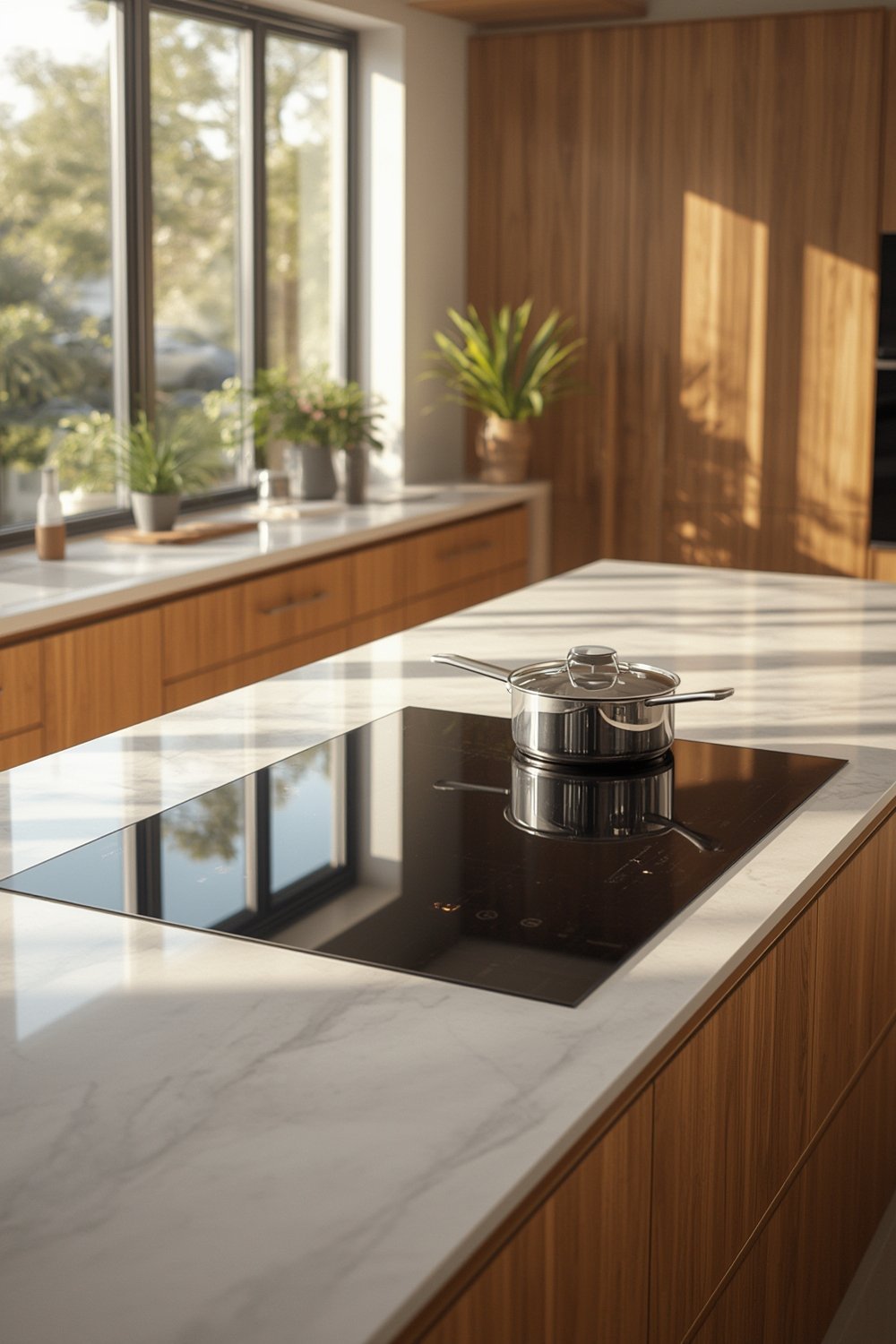
In 2024, the global portable induction cooktop market hit USD 2.1 billion and portable induction burner sales reached USD 1.74 billion. Asia Pacific leads with 42% market share, followed by North America and Europe. Two key trends drive this surge: greater energy efficiency requirements in Europe, and a shift away from gas cooking in America for health and environmental reasons. In the US alone, induction use quadrupled in four years to over 4 million households, as more families discover its quick heating and safe cooktop surface.
Induction models also play a role in compact kitchen trends, alongside tools like the workstation sink and fridge storage containers which are changing how home cooks use their space.
Step-by-Step Guide: Getting the Most from Your Induction Cooktop
To unlock the full value of induction, setup and daily operation require small but important differences from gas or classic electric stoves. Here are the practical steps that actually matter in day-to-day use.
- Choose the right place for setup. Induction cooktops require a flat, stable surface and access to a power outlet. Leave at least 4 inches of clearance on all sides for proper venting.
- Check circuit requirements. Most single burner induction burners operate at 1200W–1800W, which works on standard home outlets. Two-burner and larger models may need a dedicated circuit.
- Use the right cookware. As noted earlier, ferromagnetic pots and pans are a must. Popular favorite utensils include enamel-coated iron, carbon steel pans, or high-quality magnetic stainless steel. Avoid glass, copper, and aluminum unless the base is specifically designed for induction.
- Try the control panel first without food. Familiarize yourself with power, timer, and temperature settings. Induction offers very precise temperature control, so there’s a learning curve—even basic tasks like simmering or sauteing happen faster than on gas stoves.
- Start with medium heat. Induction settings can run higher than expected for new users. Begin at 60%–70% of max power and adjust up only if needed. Remember food heats very quickly on induction, making burn risk higher for unattended pans.
- Wipe the glass cooktop after every use. Residual spills, especially sugary substances, can bake onto the surface. Simple soapy water or a dedicated induction-safe spray does the job for everyday residues.
- Learn the “Auto-Off” feature. Most induction units will turn off automatically if no pan is detected—this enhances safety, especially around children (source).
- Store cookware nearby. Ease of access supports consistent usage and prevents accidental use of non-induction-ready pans during rushed prep sessions.
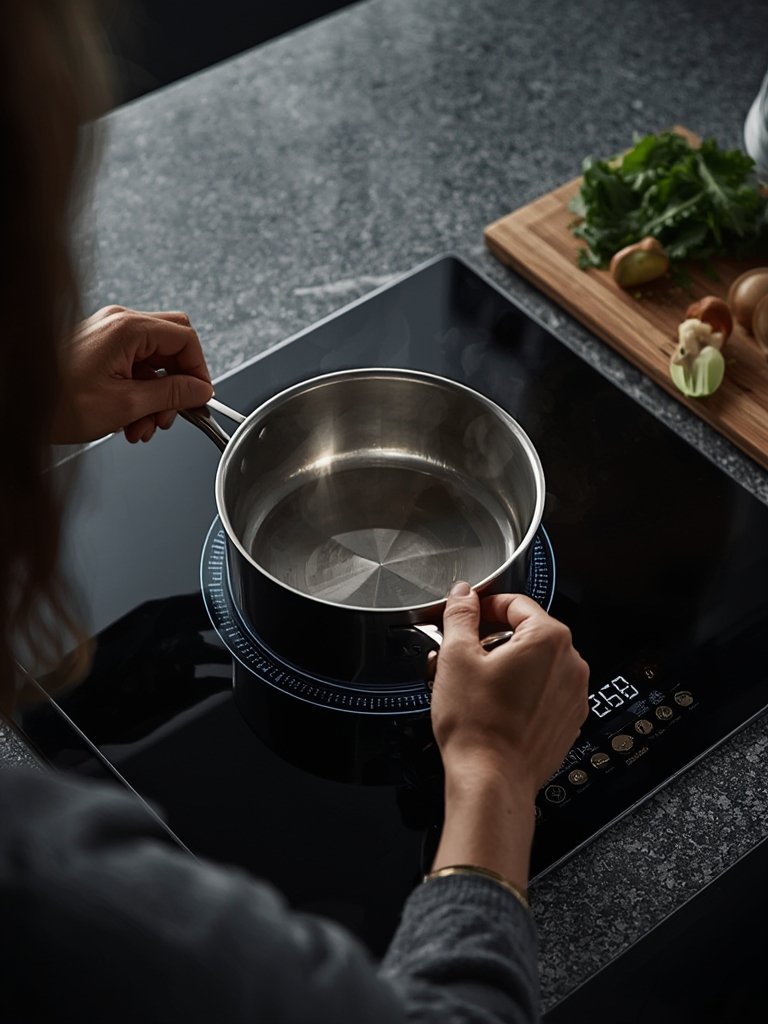
If you often prepare cheese-based meals, combining a safe induction cooktop with a rotary cheese grater can speed up family dinners while keeping counters tidy.
Advanced Analysis & Common Pitfalls
Induction cooktops outperform gas and traditional electric across efficiency, speed, and safety according to recent market studies. Still, some users report challenges or discover issues only after daily use. Here’s what recent data and user experiences reveal.
Top Benefits vs Classic Cooking
- Efficiency: Induction transfers energy directly to cookware, minimizing wasted heat. This lowers electricity bills and keeps kitchens cooler (study link).
- Cooking speed: Boiling water and searing foods take less time, as magnetic heating begins instantly. In the US, users switch for the speed advantage.
- Safety: Surfaces stay mostly cool and units often include child locks and auto-shutoff. This supports kitchen safety especially for families with kids.
Common Pitfalls and Real User Complaints
- Cookware frustration: Switching to induction may mean replacing pans or learning which current utensils work and which do not.
- Overcooking food: New users often find that induction heats extremely rapidly. Burned meals happen more easily until you adapt your timing.
- Noisy operation: Some units emit quiet “buzzing” or “clicking” depending on the cookware, especially at low power. This is normal but can be annoying.
- Fingerprints and smudging: Black glass induction tops show every spill, oil mark, or fingerprint. Frequent wiping is unavoidable.
- Cleaning challenges: While glass is easy to wipe, burned-on sugar or boiled-over jams can leave stubborn marks if not cleaned promptly.
- Initial cost: Induction appliances and compatible pans can cost more than base electric stoves or portable coil burners.
- Repair complexity: Fewer technicians are experienced with induction-specific repairs in certain markets.
- EMF sensitivity worries: Some users express concern about electromagnetic fields, although products sold in North America generally comply with UL or CE standards.
Comparison Table: Induction Cooktop vs Gas & Electric
| Feature | Induction Cooktop | Gas Stove | Traditional Electric |
|---|---|---|---|
| Energy Efficiency | 80–90% | ~40–60% | 65–75% |
| Heat Up Speed | Very Fast | Moderate-Fast | Slower |
| Surface Temperature | Cool unless pan present | Hot | Hot |
| Cleaning | Easy if cleaned promptly | Medium; grates and burner heads | Medium; coil or glass surface |
| Cookware Requirements | Magnetic Base Only | Any | Any |
| Cost of Entry | Higher | Varies | Generally lower |
| Emissions | None in kitchen | High (CO2, NO2) | Minimal |
For small kitchens, pairing an induction cooktop with a compact ice machine or sink faucet water filter provides further convenience—especially in apartments and dorm settings.

Conclusion
The global movement toward cleaner, faster, and safer cooking is powering the rise of the induction cooktop in kitchens everywhere. While challenges like cookware compatibility and up-front costs remain, most users find the trade-offs well worth it due to speed, safety, and efficiency. Whether you’re upgrading your home or simply want a new cooking experience, the induction cooktop offers a practical way to modernize your kitchen for real-world results.
Ready to transform your kitchen setup? Start with a trusted portable induction burner and enjoy better meals with less effort—then explore pairing with a coffee station or workstation sink for maximum effect.
Frequently Asked Questions
Are induction cooktops safe for kids and pets?
Yes. The surface remains cool unless a compatible pan is present and most units feature automatic shutoff or child-lock functions, greatly reducing burn risk in busy kitchens.
Will my current pans work with an induction cooktop?
Only cookware with magnetic bases will work. Cast iron, carbon steel, and magnetic stainless steel pans are compatible, but copper, glass, or aluminum pans generally are not unless specifically built for induction cooking.
Do induction cooktops use more electricity?
No. They use electricity more efficiently by directly heating the cookware. In many cases, you will use less power overall compared to electric coil or radiant stoves, thanks to shorter cooking times and less wasted heat.
How do I clean induction cooktop surfaces?
Wipe the glass surface with a soft cloth or sponge and soapy water after each use. For stubborn spots, use a paste of baking soda and water or a gentle induction-safe cleaner. Avoid abrasive scrubbers, which can scratch the glass.
What kind of maintenance do induction burners require?
Routine maintenance is minimal: keep vents clear of dust, check power cords for wear, and clean the surface regularly. For persistent error codes or power issues, contact the manufacturer or a certified technician—most repairs require professional service.
