

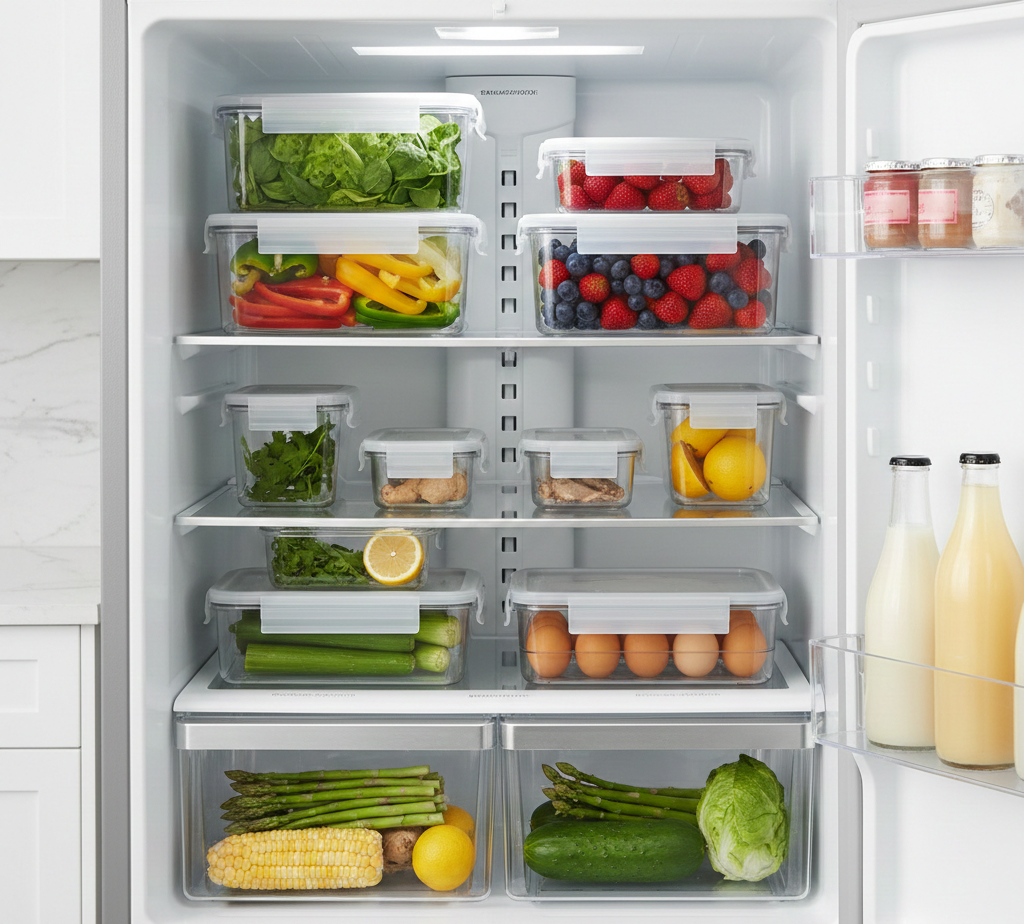
Fridge storage containers are the backbone of an organized refrigerator, helping households reduce waste, save time, and preserve food freshness for longer. In 2024, smart fridge storage solutions are more popular than ever, yet many users still struggle with space management, durability concerns, and choosing the right materials. Here’s a realistic guide to get the most out of your fridge storage containers, with strategic steps backed by market research and actionable advice.
Key Takeaways
- The fridge storage container market is booming globally, fueled by rising demand for convenience and sustainability.
- Plastic dominates due to affordability and versatility, while glass is gaining traction for health-conscious users.
- Practical organizing strategies and realistic expectations are essential for maximizing space and minimizing food waste.
- What Are Fridge Storage Containers and Why Do You Need Them?
- Step-by-Step Guide: Fridge Storage Container Organization
- Advanced Analysis & Common Pitfalls
- Conclusion
- Frequently Asked Questions
What Are Fridge Storage Containers and Why Do You Need Them?
Fridge storage containers are specialized bins, boxes, and organizers designed to improve visibility, prevent cross-contamination, and extend the freshness of food in your refrigerator. As the global food storage container market reached $173.45 billion in 2024 and is forecast to grow at a 4.6% CAGR, demand for better food storage solutions is only accelerating.
[source]
These containers come in various materials like BPA-free plastic and glass, and in stackable and modular designs that help maximize cramped fridge spaces. The North American market is especially rapid-growing, with users seeking to reduce clutter, avoid spoilage, and make meal prep more efficient. If you want a fridge that looks as good as those viral TikTok makeovers, or just want to stop throwing out wilted veggies every week, it starts here.
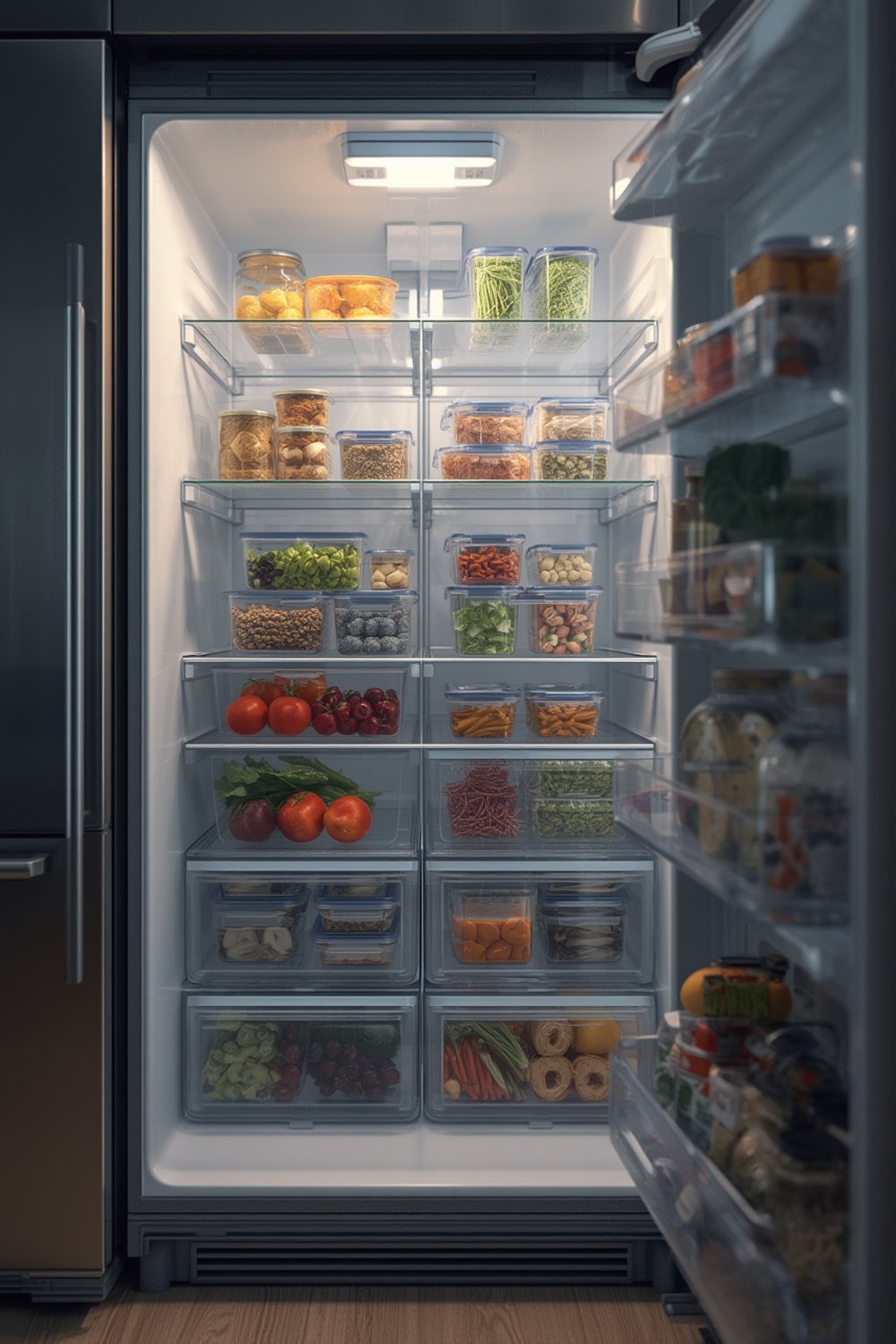
Step-by-Step Guide: Fridge Storage Container Organization
- Empty & Clean Your Fridge: Remove everything, wiping down shelves to start fresh. This allows you to evaluate what containers will actually fit and what foods you truly store.
- Audit Your Food Types: Group items (produce, dairy, meats, leftovers). Knowing what you store helps you pick the right container sizes and shapes.
- Plan Your Zones: Assign dedicated areas for each food group—use high-traffic shelf spaces for snacks, deep spots for less-used ingredients. This is a trick real professional organizers use to boost visibility and accessibility.
- Choose the Right Containers: Select stackable, see-through bins for smaller items. Shallow bins work best for deli meats and cheeses. Deep containers handle produce or meal prep.
💡 Pro Tip: Always measure your fridge shelves before purchasing containers. Even a half-inch discrepancy can mean the difference between a perfect fit and wasted space.🔥 Hacks & Tricks: Repurpose clear desk or shoe organizers for fridge storage—they often cost less and fit awkward fridge spaces better than some “dedicated” fridge bins.
- Label Everything: Use wipeable labels to track expiration dates—this keeps food rotation practical and reduces waste.
- Stack and Slide: It’s tempting to over-stack, but leave some space for airflow—overcrowding reduces the efficiency of cold air circulation, accelerating spoilage.
- Establish a Restocking Routine: Once a week, scan bins for soon-to-expire items and adjust storage or meal-plan accordingly. This step is critical for reducing food waste and maximizing savings.
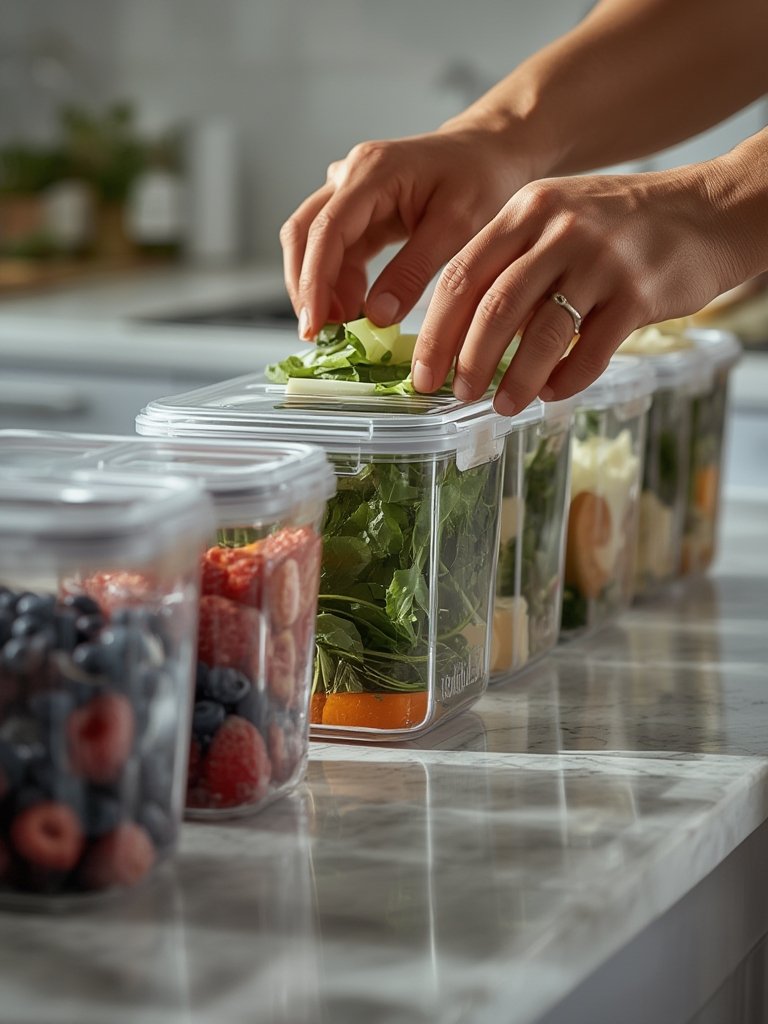
Want more kitchen hacks? Discover how a rotary cheese grater can upgrade your meal prep alongside your new fridge organization system.
If you’re upgrading other kitchen zones, consider streamlining with a workstation sink or adding a coffee station decor nook for stylish functionality.
Advanced Analysis & Common Pitfalls
Although fridge storage containers promise easier organization and fresher food, there are downsides and obstacles to be aware of. Here’s a breakdown of issues real users encounter—plus an analysis of material choices and design trade-offs based on the latest research.
Common Pitfalls in Fridge Storage Container Use
- Poor Fit/Overbuying: Buying container sets without measuring shelves leads to returns or wasted money.
- Condensation & Mold: Non-ventilated containers can trap moisture, risking produce spoilage.
- Cracking & Warping: Some plastics can warp in the dishwasher or lose clarity over time; glass can chip with stacking misuse.
- Limited Visibility: Opaque or colored containers can conceal food, causing you to forget what’s inside and waste more.
- Time-Draining Maintenance: Organizers that aren’t dishwasher-safe add manual cleaning to your routine.
Material Performance Comparison
| Material | Benefits | Drawbacks |
|---|---|---|
| BPA-Free Plastic | Affordable, lightweight, moisture-resistant, versatile, often microwave-safe | May degrade or cloud with repeated dishwasher cycles; less sustainable |
| Glass | Non-reactive, perceived as healthier, retains clarity, excellent for leftovers | Heavier, can chip or break, pricier, not all lids are microwave-safe |
| Eco-Friendly/Biodegradable | Sustainable, less plastic waste, emerging options | Limited availability, can be less durable or leak-prone |
Are There Real Results and Market Growth?
Absolutely. With the US market for refrigerator containers reaching $4.7 billion in 2024 and the global food container industry projected at $431.5 billion by 2030, consumer demand is only intensifying. [source] The North American market, in particular, values convenience and fast access, which is why plastic still outpaces glass in most homes.
Curious how ice production fits into your kitchen organization? Read our countertop ice maker guide to see how standalone ice machines can free up valuable fridge space.
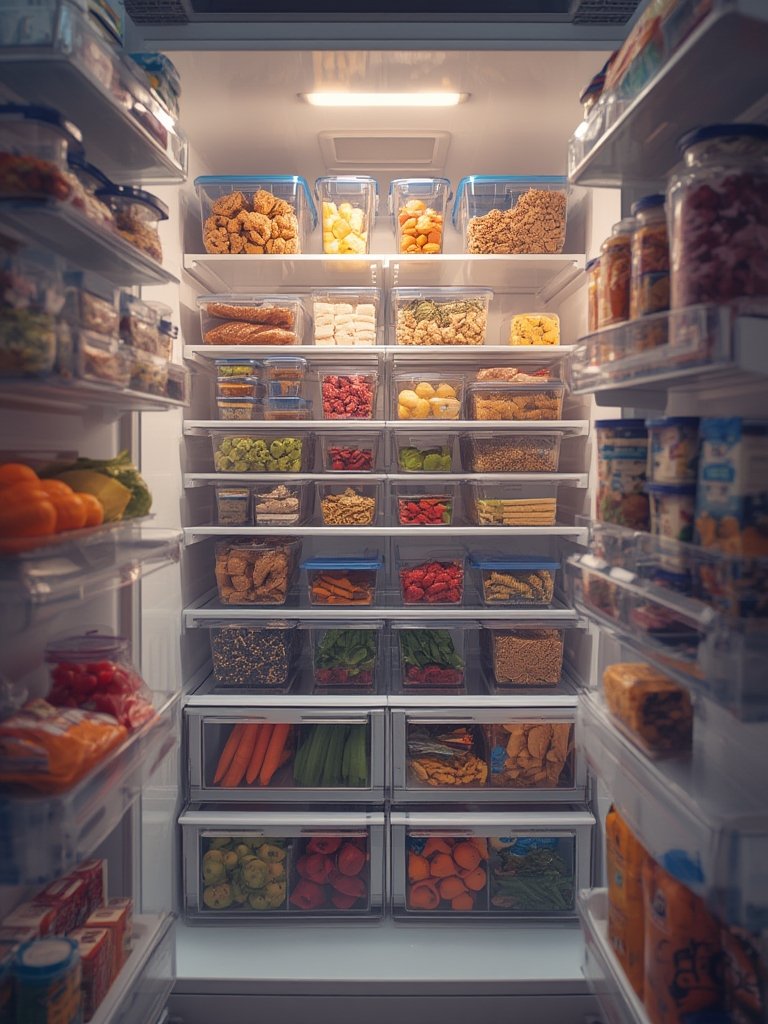
If water purity and filtration for stored produce are priorities, pair your container system with an effective faucet water filter for improved rinsing and washing.
Conclusion
Organizing with fridge storage containers isn’t about achieving social media perfection—it’s about maximizing freshness, reducing waste, and creating a kitchen that works for the way you actually live. By understanding your needs, choosing the right materials, and following a clear system, you’ll streamline every grocery haul and meal prep session. Start with one shelf today, and transform your fridge storage containers from clutter-catchers to supercharged organization tools. Ready to overhaul your fridge? Take action now and experiment with these tips this week.
Frequently Asked Questions
What is the best material for fridge storage containers?
Plastic containers remain the most popular in 2024 for affordability and versatility, but glass options are growing among those prioritizing health and sustainability.
How do I avoid wasted space when organizing my fridge?
Measure all shelves and drawers before purchasing bins. Modular and stackable containers are best for customizing to odd-sized sections and maximizing every inch.
Are all fridge storage containers dishwasher and microwave safe?
Most BPA-free plastic and high-quality glass containers are, but always verify the manufacturer’s instructions. Repeated dishwasher cycles can degrade cheaper plastics over time.
How often should I reorganize my fridge?
A weekly check for expired food and a quick tidy-up will keep your system running smoothly and make restocking easier.
Do clear bins really make a difference?
Yes, clear bins boost visibility so you’re less likely to forget about perishables hiding in the back. This simple upgrade saves money by reducing food waste.
