

Table of Contents
Countertop ice maker models are changing the way people get fresh ice at home, for parties, or while traveling—no plumbing required. Whether you’re an entertainer, an office worker, or an RV enthusiast, these compact appliances promise convenience. But, as with any trend, it’s important to know what really sets one ice maker apart from another and how to avoid regrets.
Key Takeaways
- The global countertop ice maker market is booming, propelled by home and office demand, with North America and Asia-Pacific leading growth.
- Countertop and portable ice makers differ in ice style, production speed, features, and portability—choosing the right type is key to satisfaction.
- Proper maintenance and filter selection matter for safety and performance. Smart buying prevents costly mistakes and ensures ice quality.
What Is a Countertop Ice Maker & Why Are They Popular?
A countertop ice maker is a portable appliance that makes fresh ice in minutes without complex installation or plumbing. Most units are small enough to fit on a kitchen counter, RV shelf, or even at outdoor events. Unlike traditional ice trays or under-counter machines, countertop ice makers plug in anywhere, offering a self-contained way to supply ice on demand—ideal for parties, offices, family kitchens, or road trips.
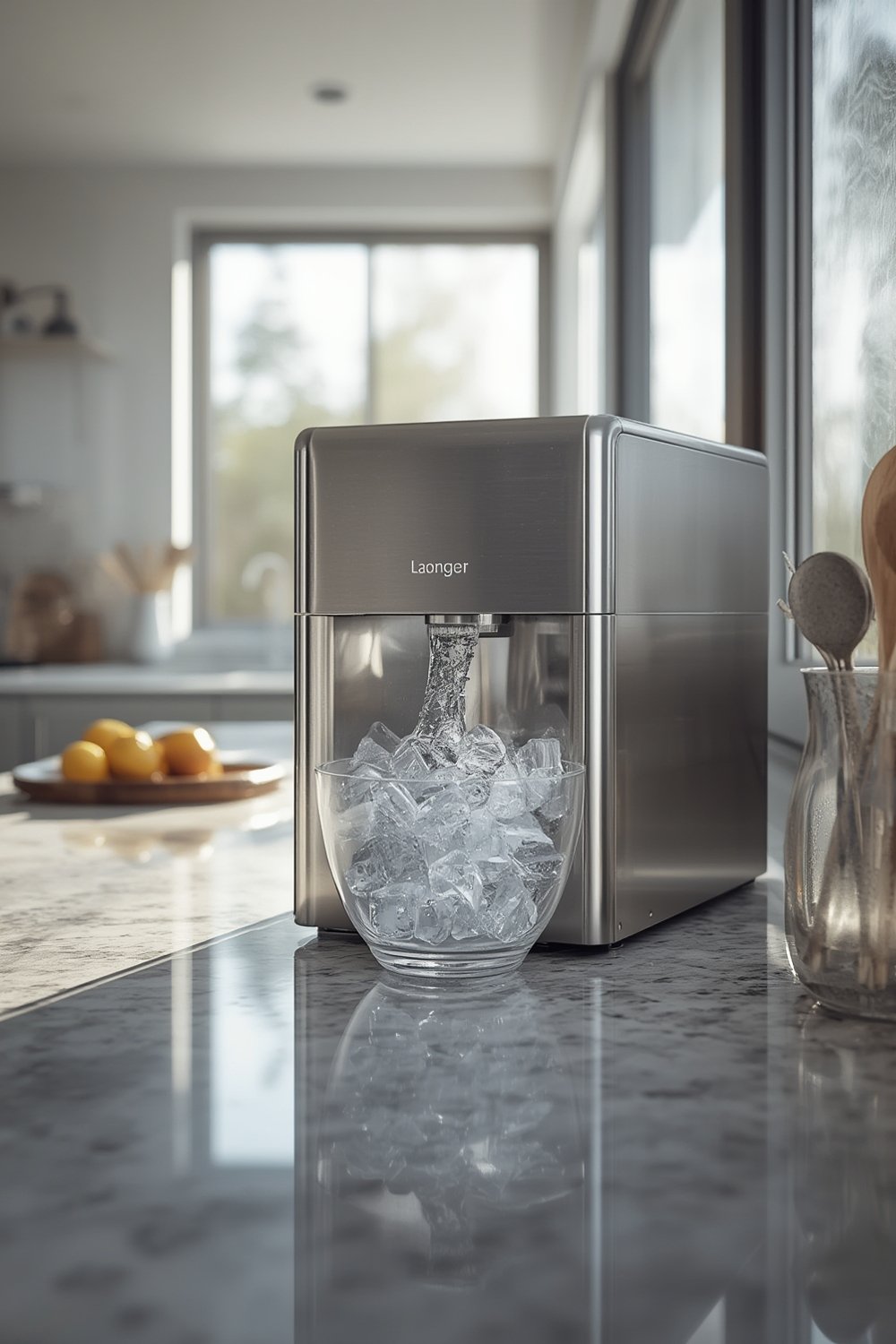
This category saw global sales rise to as much as USD 2.85 billion in 2024. North America holds more than a third of this revenue thanks to the United States’ demand for cold drinks and convenience. The residential portable segment alone is estimated at well over $670 million. Growth is driven by:
- Interest in nugget-style ice for better at-home drinks and cocktails
- The desire to save on the high costs of bagged ice (up to 80% savings for typical households)
- Flexible, mobile lifestyle needs — such as RVing or outdoor entertaining
Learn more about the main types of ice makers to find out which fits your needs best.
How to Select, Set Up, and Use a Countertop Ice Maker: Step-by-Step Guide
Buying and using a countertop ice maker is simple, but maximizing value means making the right choices and setup steps from the start:
- Assess Your Ice Needs
Estimate how much ice you need on a daily basis. For home or small office use, a countertop ice maker for home with up to 26 lb/day is usually sufficient. Entertainers, offices, or food trucks may prefer 35-40 lb/day models. - Choose the Best Type
Nugget ice is soft and chewable, ideal for cocktails and sodas. Bullet-style machines make round, solid cubes perfect for chilling general drinks. Need to travel? Compact RV models often support DC or solar power, like those highlighted in our RV ice maker guide. - Check Certification and Safety
Ensure the ice maker is FDA-compliant for food safety and meets DOE or international energy codes. Avoid units with “off-brand” or counterfeit filters, which can risk safety and ice quality (see details). - Unpack and Rinse
Before the first use, always rinse the ice bin and water reservoir. Some machines may have residual manufacturing smells or dust. - Run a Cleaning Cycle
Follow your manual’s advice: Run at least one cleaning cycle using distilled white vinegar or the cleaning mode if available. This keeps your ice safe and fresh. - Fill and Start Making Ice
Use clean, cold water. Start the machine. Most countertop ice makers deliver the first batch in under 10 minutes and full output within an hour. Models like those compared in our full countertop ice maker comparison often have removable bins for easy cleaning. - Maintain Regularly
Clean monthly (or more often if used daily). Replace filters only with brand-recommended filters. For long-term value, consider a smart ice maker with app-control or scheduling if you’re away often.
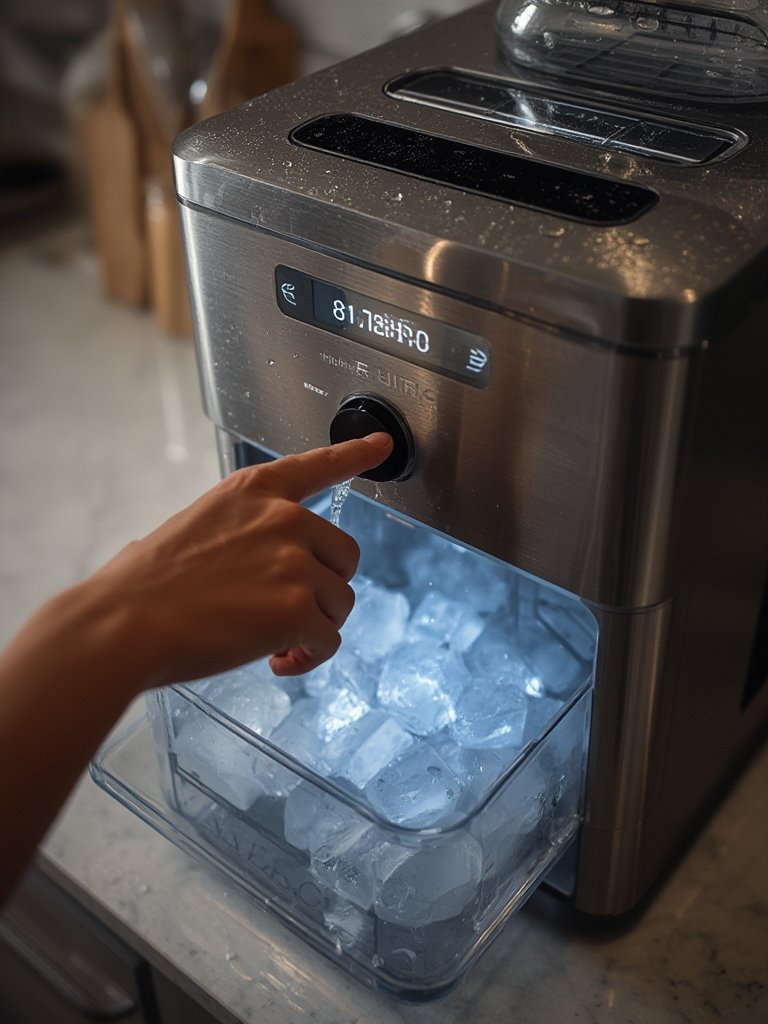
For maintenance, many new models offer reminder indicators or even app-based schedules. Consider a universal ice maker accessory kit for convenient cleaning and storage solutions.
Advanced Analysis & Common Pitfalls: What to Know Before You Buy
No appliance is perfect. Here’s what research and real-world experience say about countertop ice makers:
- Counterfeit Filters: Substandard aftermarket filters do not meet safety standards and may contaminate water. Always buy brand-approved filters or those carrying FDA/NSF markings (more info).
- Noise: While generally quieter than commercial under-counter units, some countertop and portable models are noisy during freezing or ice drops. Avoid if you want whisper-quiet kitchens.
- Insufficient Ice Output: Choose a higher-output model (above 26 lb/day) if you often host groups; otherwise, you’ll run out or wait for new batches every 10–15 minutes.
- Power Constraints for RVs: Not all units are DC or solar compatible. Using a standard model on limited RV battery may trip circuits. Look for energy efficiency specs like R290 refrigerant or variable-speed condensers for low-wattage use (read more).
| Type | Production Speed | Ice Type / Shape | Size / Portability | Energy Efficiency |
|---|---|---|---|---|
| Nugget Ice Makers | Not specified | Nugget textures (chewable) | Countertop, household-oriented | Variable-speed condensers, R290 refrigerant |
| Bullet Ice Makers | Not specified | Bullet (solid rounds) | Not specified | Not specified |
| Compact Countertop | 6-minute cycles (26-40 lb/day) | Not specified | Under-counter fit, removable bins | Not specified |
| RV Portable | Not specified | Not specified | Portable, solar-compatible for off-grid | Not specified |
For more on specific use cases, check out our resource on the best RV ice makers for road trips.
Maintenance is often understated. Monthly cleaning and filter swapping are needed for optimal performance. Subscription filter sales are becoming the norm, but watch for inflated prices and always verify authenticity. Units with removable bins make cleaning far easier.
Conclusion: Is a Countertop Ice Maker Worth It?
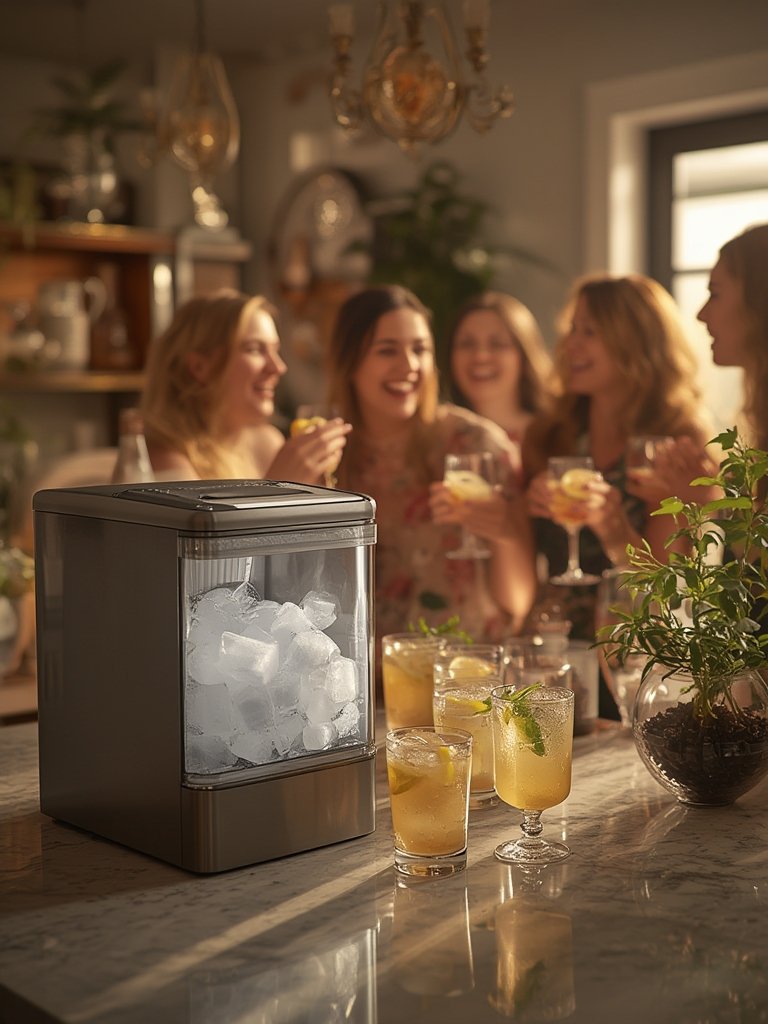
The right countertop ice maker offers unmatched flexibility, saving money vs. bagged ice and delivering fresh cubes for every gathering or adventure. Still, choosing well means matching your ice needs, checking output rates, and prioritizing certified equipment for food safety. Regular filter care and cleaning are not optional.
Ready to ditch ice trays and bags? Compare our expert ice maker reviews to find the perfect model or learn more about portable ice maker solutions for entertaining. A smart purchase now means ice on-demand for years—without regrets. Don’t forget, a genuine countertop ice maker always starts with safety and regular care.
Countertop Ice Maker FAQ
How much ice can a typical countertop ice maker produce daily?
Most home countertop ice makers produce 26–40 pounds of ice per day, depending on the model. Always check specs—higher output is best for parties or bigger households.
How often should I clean my ice maker?
Monthly cleaning is recommended for average use. Heavy users (or very hard water areas) may need more frequent cleaning to prevent build-up and maintain ice quality.
Are countertop ice makers noisy?
Some noise is normal, especially during ice drops or compressor cycles. Nugget and high-output models may be louder than bullet ice styles. Look for models marketed as “quiet operation” if noise is a top concern.
Do I need special water filters for my countertop ice maker?
Always use brand-recommended filters, especially if you want clean, safe ice. Counterfeit filters can introduce safety and taste problems. Check for FDA or NSF certification.
Can I run a countertop ice maker on solar power?
Many RV-portable models are rated for solar or low-wattage use, but always verify before buying. Using a non-compatible machine on an inverter or small solar setup could cause damage or failure.

[…] As you upgrade your sink, consider a rotary cheese grater to speed up meal prep safely, or a countertop ice maker to enjoy chewable ice from fresh, filtered […]