

Table of Contents
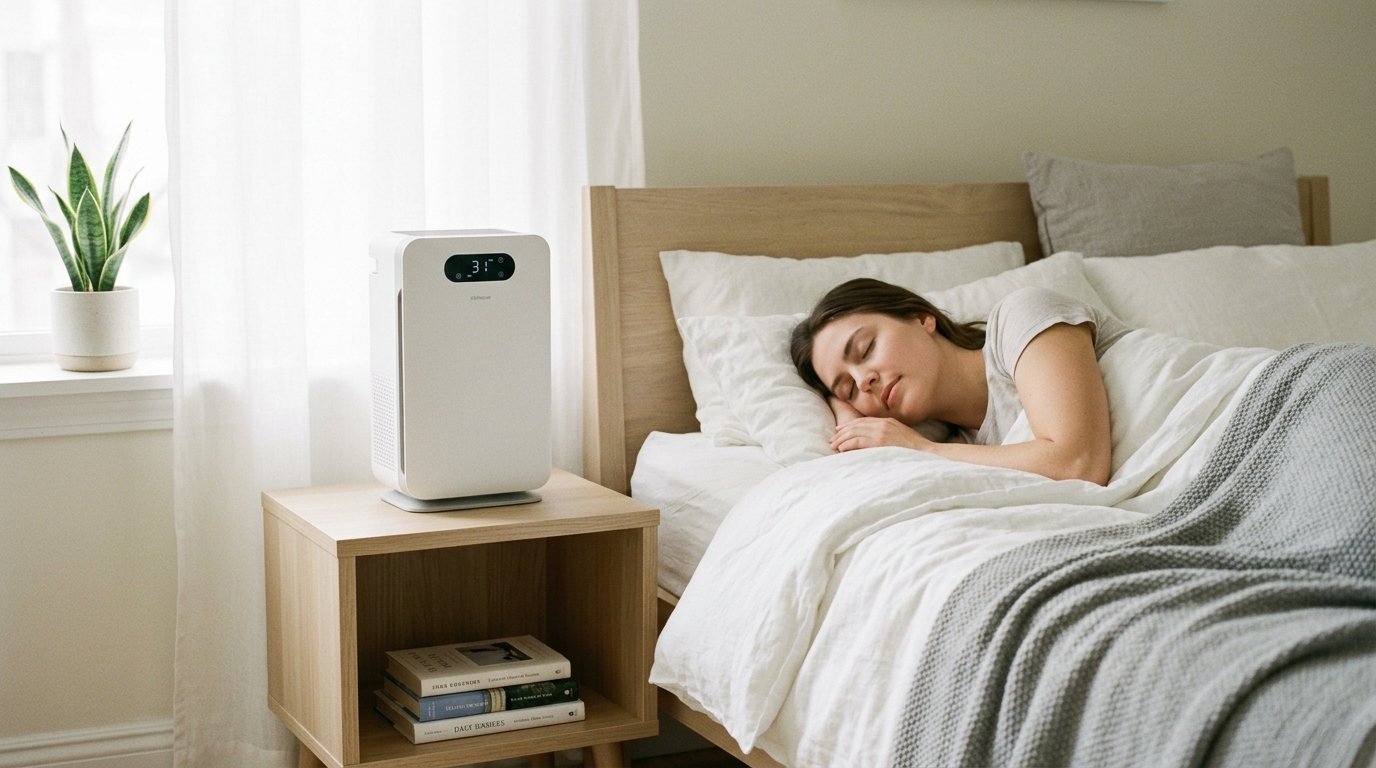
Seeking the best air purifier for bedroom? If you’re tired of restless nights, stuffy air, or waking up with allergies, you’re not alone. Choosing the right bedroom air purifier in 2024 is more than picking a quiet machine—it’s about proven clean air, genuine HEPA standards, real-world noise performance, and cost that doesn’t surprise you later. Below, you’ll find clear, research-backed guidance you won’t get from brand ads.
Key Takeaways
- Modern HEPA purifiers reduce bedroom particle levels (PM2.5, PM10) by 50–80%, supporting better sleep and fewer allergy symptoms.
- Many “quiet” models disappoint due to high-pitched fan noise or light pollution at night; always check real decibel and psychoacoustic tests before buying.
- Flooded market means some units overpromise on CADR, filter standard, or cost—scrutinize certifications, maintenance costs, and actual fit for your room size.
Understanding the Best Air Purifier for Bedroom Use
What makes a bedroom air purifier truly “the best”? It’s not just about the brand or a “HEPA” sticker. According to the EPA and recent CDC field studies, real improvement means lowering fine particles (PM2.5 and allergens) dramatically—ideally by 50%–80%—while keeping sound and running costs fit for nightly use. You want a true-HEPA filter (not just “HEPA-type”), the right size for your room, verified low-noise (ideally <30 dB(A)), and no ozone risk. Oversized models running on lower settings often clean more quietly, but room placement and sealed filter design matter, too.
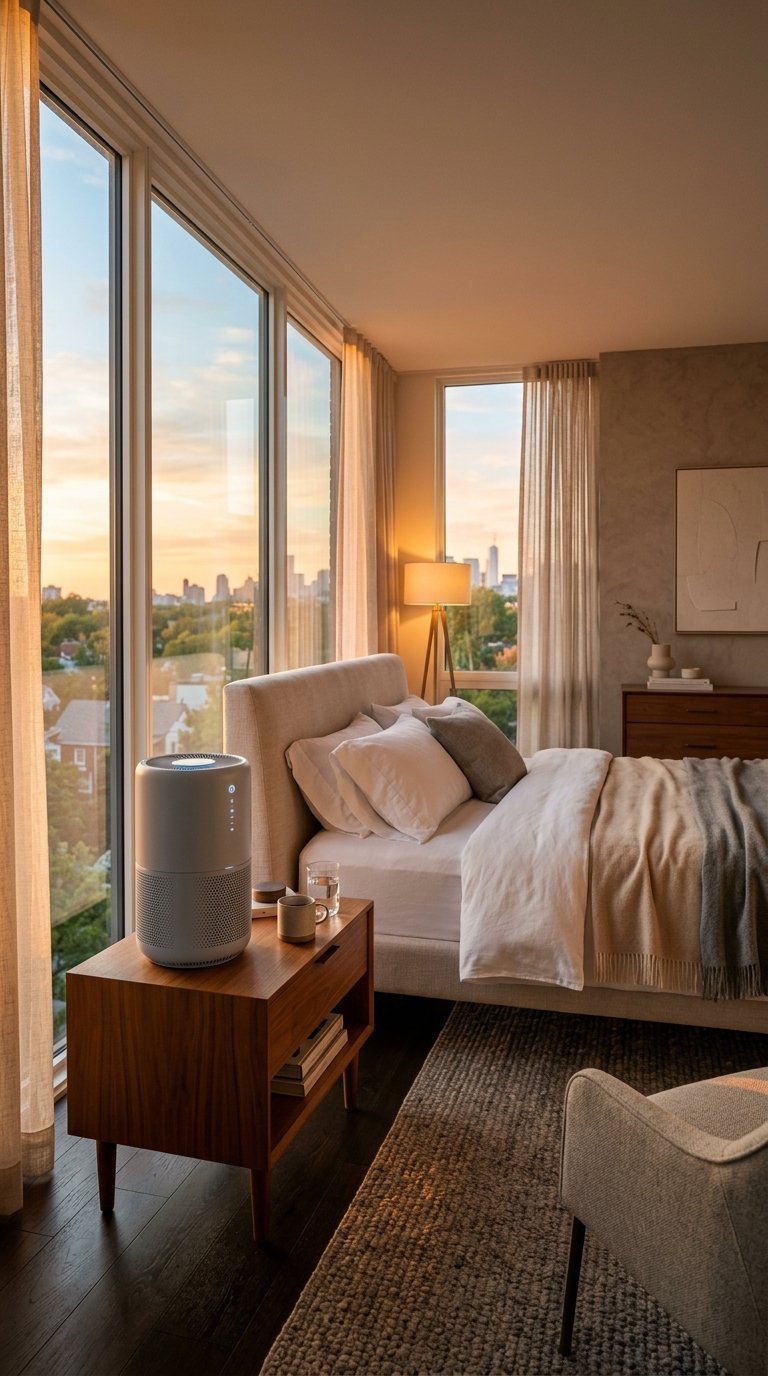
Why is this important? Controlled studies from 2023–2024 show that high-performing HEPA units in bedrooms can cut PM2.5 by up to 80% and PM10 by over 60% overnight—benefiting allergy and asthma sufferers. But if the purifier is too small, too loud, not maintained, or poorly sited, the benefits drop. Bedside comfort also depends on subtle “invisible” details: the whine of a fan, LEDs that won’t dim, or maintenance costs that add up over time. Consider not just what’s on the box, but what actually works—as verified by independent labs and long-term owners.
How to Choose and Set Up the Best Air Purifier for Bedroom
Finding the best air purifier for bedroom use isn’t just about picking a top-rated model. These steps help ensure you get clean air—and a restful night—every time.
- Measure Your Bedroom: Multiply length × width × height (in feet) for cubic footage. For a typical 10×12 ft room with an 8 ft ceiling, that’s 960 ft³.
- Check CADR Requirements: Aim for a CADR (Clean Air Delivery Rate) of at least 80–120 cfm for small bedrooms, or higher if you want faster cleaning on lower noise.
- Insist on “True HEPA” (not “HEPA-type”): Only true HEPA filters capture ≥99.97% of 0.3 μm particles—removing most allergens. Verify with AHAM certification, not vague marketing.
- Evaluate Noise by Decibel AND Tone: Don’t rely solely on box-listed “dB.” Check third-party tests or owner reviews for complaints about high-pitched whine or vibration, not just volume, such as those in independent lab reports.
- Look for Dimmable or Switch-Off LEDs: Many “night mode” air purifiers still emit disruptive lights; ensure there’s a true blackout option if you sleep light-sensitive.
- Budget Yearly Filter and Maintenance Costs: Top small-room HEPA units typically run Annual Filter Cost $50–$150 per year in genuine filter replacements. Factor this in—smart models may not accept cheaper third-party filters.
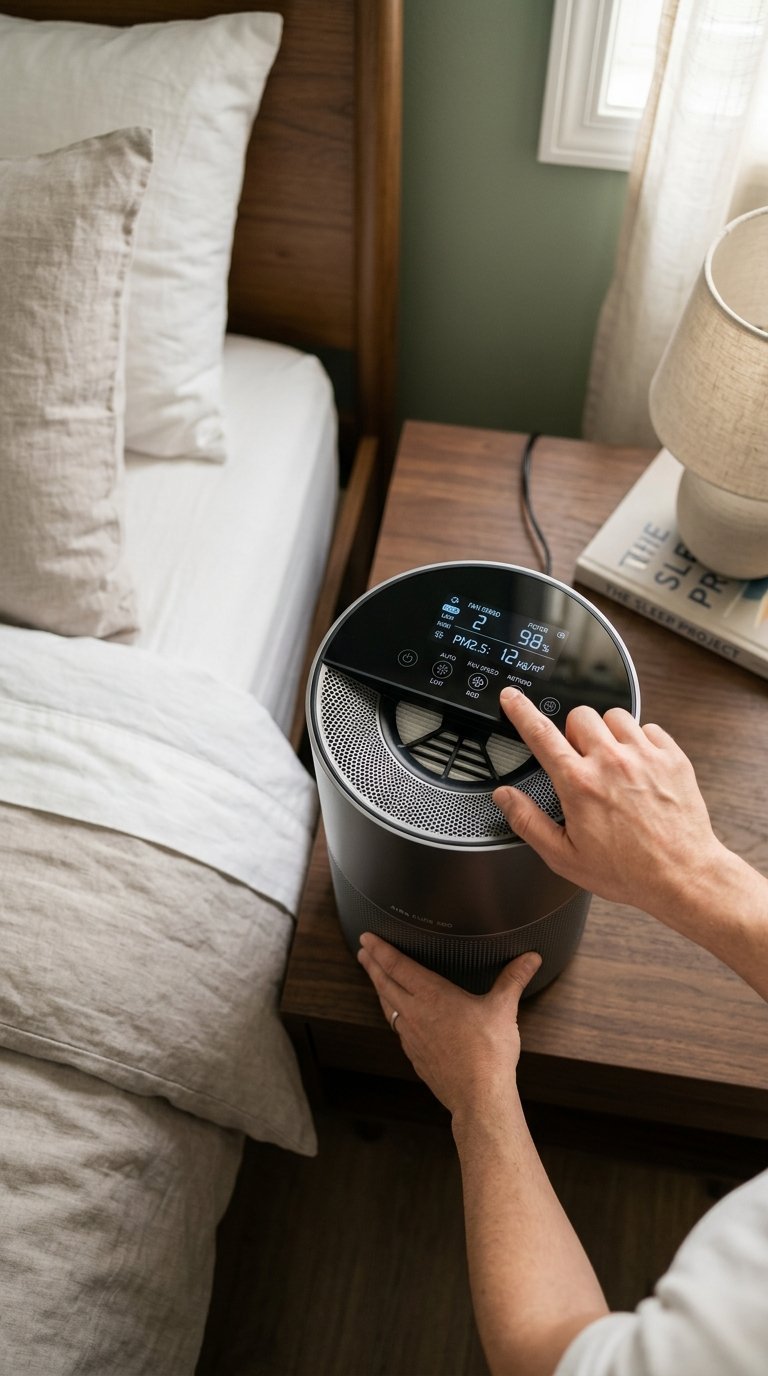
- Placement Matters: For maximum allergen removal, keep the purifier away from corners and large obstacles. Close your door for better results. Avoid placing the unit under window drafts or next to HVAC vents.
- Beware Ozone-Producing Tech: Steer clear of ionizers or “plasma” features, which can create unwanted odors and, despite marketing, are not recommended for bedrooms (EPA warning).
- Consider Warranty and Reputation: Reliable units from proven brands often carry 2–5 year warranties and better long-term support for filters and repairs. Always read up on complaints about electronics, fan noise, or malfunctions after a few months.
Doing this cuts risk—of lost sleep, wasted money, or ongoing allergies. If you’re exploring broader smart home upgrades, compare this process with projects like smart garage door openers or smart thermostats, where manufacturer claims and real user experience often diverge the same way.
Advanced Analysis & Common Pitfalls
Even with a good purifier, users commonly hit frustrating issues. Here’s what goes wrong—plus how to dodge each:
- “Quiet” models that aren’t truly silent: Many purifiers promise sleep mode but measure above 40 Noise (dB/A)—and frequency character often includes a high-pitched whine that disrupts even at lower decibels. Rely on lab data and third-party listening tests, not just dB numbers.
- Annoying lights that won’t turn off: Look for units with a “display off” button or user-tested blackout mode. Otherwise, you may be forced to tape over status LEDs.
- Underpowered for actual room size: Using a smaller, “budget” model in a mid-size bedroom can leave you with little real filtering benefit—watch for overstated “coverage” claims and choose by CADR-to-room-volume math.
- Filter cost, shortage, and lockout: Genuine replacements can be expensive ($50–$150/year). Some smart purifiers block non-OEM filters, so always price filter packs over 3–5 years, not just the first set.
- Odors from new units: Many units emit a plastic or chemical smell at first. Test well before allergy season, allow “burn-in,” and return quickly if Odors from new units linger (especially if you smell ozone—this can be from ionizing gadgets).
- Reliability and sensor issues: Expect that cheaper models have higher risk of malfunctioning lights, fan hum, or app disconnects after months.
- Poor results due to placement or door left open: Real-world data show air cleaning drops 20% or more if doors are open or the unit is blocked in a corner.
| Specification | Best Practice | Common Problem | Research Source |
|---|---|---|---|
| Filter Type | True HEPA, 99.97% @ 0.3μm, AHAM or ISO certified | “HEPA-like” or “HEPA-type” with no certification | CDC 2024 |
| CADR (Clean Air Delivery Rate) | ≥ 80–120 cfm for small bedrooms | Exaggerated by marketing, doesn’t match actual ACH | Harvard 2024 |
| Noise (dB/A) | <30–35 dB(A) at useful ACH, low tonal peaks | Over 40 dB(A) on “sleep” mode, high-frequency whine | Consumer Reports 2024 |
| Warranty | 2–5 years, easy filter access | 1 year, poor filter support, app lockouts | Lab Reviews 2024 |
| Annual Filter Cost | $50–$150/year | Surprise high cost or knock-off confusion | Market Data 2024 |
| Ozone Output | Zero/low (no ionizer or plasma tech) | Noticeable ozone/chemical odor, returns | EPA |
See also how other home upgrades—like comparing ventless washer dryer combos or even SPC flooring—require looking past headline specs and focusing on total cost, verified test results, and living comfort.
Conclusion
In summary, finding the best air purifier for bedroom use in 2024 means going beyond buzzwords. Prioritize real-world proven CADR for your room size, true HEPA certification, and honest noise levels—don’t get fooled by vague “quiet” claims, bold marketing, or hidden filter costs. Verifiable performance ensures allergy and sleep improvement, while the right fit prevents regret down the line.
Ready to transform your sleep and air quality? Start by measuring your bedroom, scrutinizing independent lab data, and comparing AHAM-certified units. Explore leading options—don’t hesitate to revisit your approach and even connect your air purifier to broader smart home upgrades, from thermostats to devices that work together for healthier living. Clean air is your nightly foundation—choose wisely, and breathe easier every night.
Frequently Asked Questions
How do I know if a purifier is really “True HEPA”?
Look for AHAM or ISO certification, not just claims of “HEPA-type” or “99%.” Official specs should say ≥99.97% at 0.3μm. Check documentation or the model’s CADR report for true standards.
What’s the quietest air purifier for bedroom use?
Top models run below 25 dB(A) on sleep mode, but also have a soft noise character (no whine). Check independent test reviews from labs like Consumer Reports, as manufacturer dB ratings can be misleading.
Will an air purifier completely stop allergy symptoms?
No purifier is a cure, but quality HEPA models reduce PM2.5 and allergens by up to 80%, which can lower symptoms 10–30% when combined with other allergy controls. For best results, combine with regular cleaning and bedding management.
How often do I need to replace HEPA filters?
Most compact bedroom units require filter replacement every 6–12 months for effective performance when run continuously. Genuine filter packs cost $50–$150 per year depending on brand.
Should I run my air purifier all night with the door open?
For maximum effectiveness, keep the bedroom door closed during operation. Open doors can drop room cleaning efficiency by 20% or more, according to current CDC field data.
